6287 Taylorsville Rd Building #2, Fisherville, KY 40023

Why Won’t My Teeth Whiten? Dr. Krishna Patel Explains the Causes of Stubborn Stains


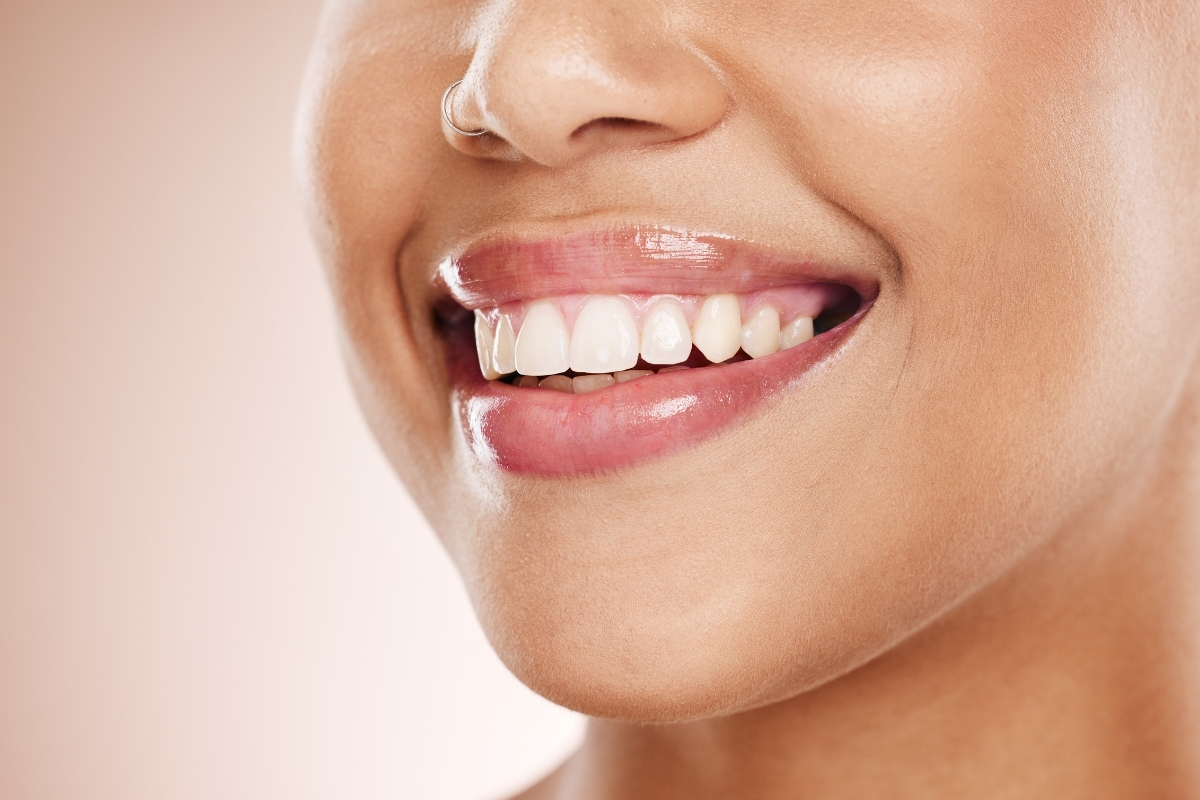
Why Won’t My Teeth Whiten? Dr. Krishna Patel Explains the Causes of Stubborn Stains
Teeth whitening is one of the most sought-after dental procedures for a bright, radiant smile. Yet, despite using over-the-counter products or professional treatments, many people find their teeth simply won’t whiten. If you’re struggling to achieve the bright smile you desire, you’re not alone. Dr. Krishna Patel, at Elite Family Dental in Fisherville, KY, is here to explain why some stains are more stubborn than others and how you can effectively tackle them.
What Causes Stubborn Teeth Stains?
Before jumping into why your teeth aren’t whitening, it’s essential to understand what causes the stains in the first place. The natural color of your teeth can change over time due to several factors, and some types of stains are more resistant to treatment than others. Let’s explore the causes:
- Intrinsic Stains: The Deeper Dilemma
Intrinsic stains occur deep inside the tooth, affecting the dentin (the layer beneath the enamel). These stains can be difficult to remove with surface-level whitening products. Causes of intrinsic stains include:- Genetics: Some people naturally have darker teeth due to their genetic makeup.
- Aging: As we age, the enamel on our teeth wears away, making the yellowish dentin more visible.
- Medications: Certain antibiotics, such as tetracyclines, can cause intrinsic staining, especially when taken during childhood, when teeth are still developing.
- Extrinsic Stains: Surface-Level Trouble
Unlike intrinsic stains, extrinsic stains affect the enamel’s surface and are typically easier to treat. These are often caused by:
- Food and Drinks: Coffee, tea, red wine, and soda are among the top culprits for staining. The acids and tannins in these drinks cling to tooth enamel, leaving behind stains that are harder to remove over time.
- Tobacco Use: Both smoking and chewing tobacco are notorious for causing dark, stubborn stains on the teeth.
- Poor Oral Hygiene: Inadequate brushing and flossing can allow plaque to build up on your teeth, leading to yellowing or brown stains. Over time, plaque hardens into tartar, making it more difficult to remove with regular brushing.
- Enamel Erosion: The Unseen Cause
Your tooth enamel acts as a protective barrier against stains. However, when enamel erodes (due to acidic foods and beverages or aggressive brushing), the dentin becomes exposed, making your teeth appear more yellow. Enamel erosion is a significant reason why some teeth resist whitening treatments, even when external stains are removed.
How Teeth Whitening Works: A Breakdown
When you opt for teeth whitening in Fisherville, your dentist will typically use either a professional whitening treatment or at-home products to address both extrinsic and intrinsic stains. Here’s how both work:
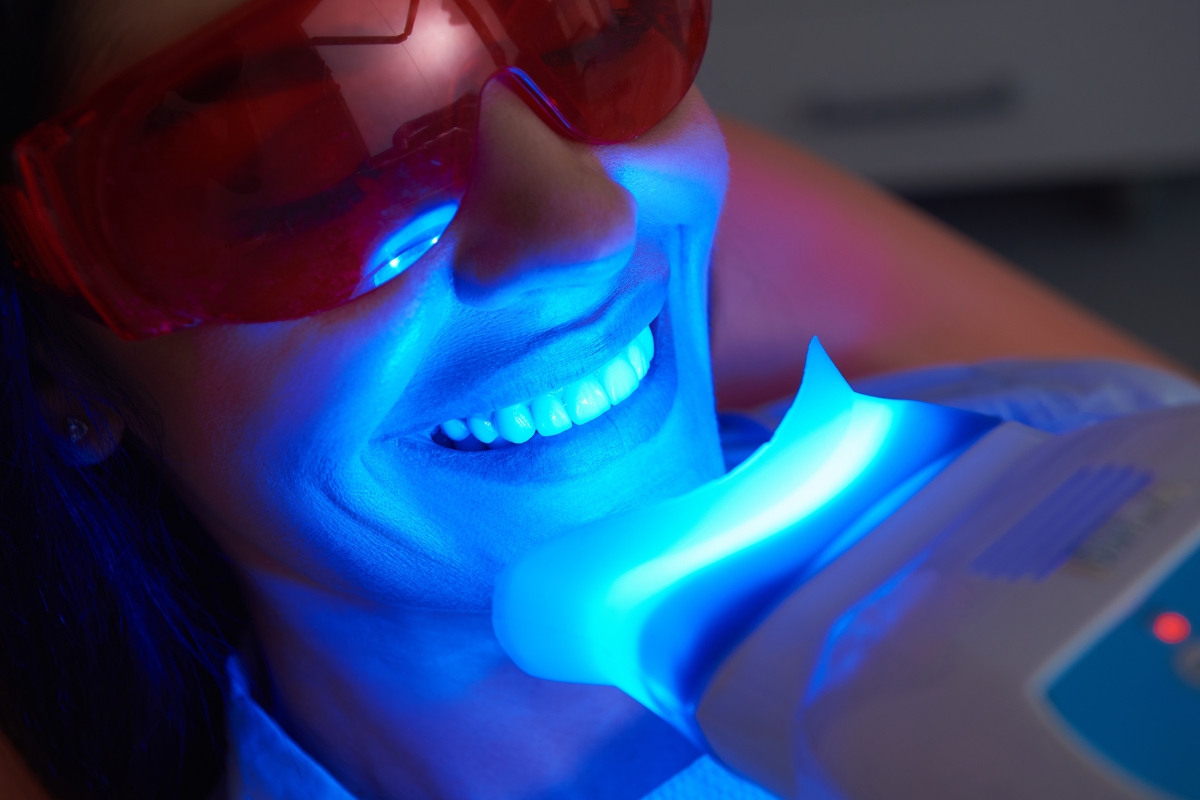
- In-Office Whitening: This involves using high-concentration bleaching gels activated by a special light to break down stains deep within the teeth. The results are typically faster and more dramatic than at-home treatments.
- Take-Home Whitening Kits: Dentists also offer custom take-home kits that let you whiten your teeth over a couple of weeks. These kits contain a lower concentration of bleaching gel compared to in-office treatments, but are still highly effective when used correctly.
If you’ve tried over-the-counter products and haven’t seen results, it could be because they don’t address deeper stains or the enamel itself. For stubborn, persistent stains, visiting a dentist for a personalized whitening solution is often the best option.
Factors That Can Prevent Whitening Success
If your teeth aren’t whitening the way you’d hoped, there may be a few factors at play. Here are some common reasons why whitening treatments might not work as effectively as you expect:
- Stubborn Intrinsic Stains
As we mentioned earlier, intrinsic stains are deeper and more resistant to whitening treatments. These stains often require more intensive treatments, such as porcelain veneers or dental bonding. If whitening doesn’t seem to work, these alternatives may be recommended. - Overuse of Whitening Products
Excessive use of teeth whitening products, especially over-the-counter options, can lead to enamel erosion. When enamel is weakened, it not only affects the whiteness of your teeth but also their overall health. Be cautious with DIY whitening products, as they may not be safe for long-term use. - Unrealistic Expectations
Whitening works differently for everyone, depending on their natural tooth color, the type of stains they have, and their oral hygiene habits. It’s important to have realistic expectations for the results. Speak with your dentist about achievable results before starting a whitening regimen. - Unresolved Dental Issues
If you have cavities, gum disease, or other dental problems, whitening treatments may not be effective. These conditions can prevent whitening solutions from penetrating the teeth, leading to discomfort or complications. Make sure to address any underlying dental issues before starting a whitening treatment.
What You Can Do To Help Your Teeth Whiten
If you’ve been struggling with stubborn stains and want to boost your chances of achieving that bright smile, here are some tips that can help:
- Visit Your Dentist Regularly: Regular cleanings and checkups are essential for maintaining a healthy, white smile. Professional cleanings remove plaque and tartar buildup, which can contribute to staining.
- Brush and Floss Daily: Proper brushing and flossing are crucial for maintaining a bright smile. Use a whitening toothpaste that contains baking soda or activated charcoal to help lift surface stains.
- Stay Hydrated: Drinking water throughout the day helps wash away food particles and prevents staining from acidic beverages. This is especially important after drinking coffee, tea, or wine.
- Use a Straw for Staining Drinks: When drinking beverages like coffee or wine, use a straw to minimize contact with your teeth. This simple habit can help prevent staining and keep your smile brighter for longer.
- Consider Cosmetic Treatments: If whitening treatments aren’t providing the results you desire, consider veneers or bonding. These treatments can mask deep stains and provide a more consistent, bright appearance for your smile.
If your teeth won’t whiten despite your efforts, it’s important to understand that not all stains respond to standard whitening treatments. Factors like intrinsic stains, enamel erosion, and underlying dental issues can make achieving the desired results more challenging.
However, with the right professional treatment and advice from Dr. Krishna Patel at Elite Family Dental in Fisherville, you can explore effective solutions tailored to your needs. Whether through professional whitening, veneers, or other cosmetic options, we’re here to help you achieve a brighter, healthier smile. Contact us today to schedule your consultation!
FAQs
- How long do teeth whitening results last?
Teeth whitening results typically last between 6 months to 2 years, depending on your lifestyle habits. Regular maintenance and avoiding stain-causing foods can help prolong the effects. - Can I whiten my teeth at home?
While there are many at-home whitening kits available, they may not be as effective as professional treatments. Consult with your dentist to find the best solution for your specific needs. - Is teeth whitening safe?
When done correctly and under professional supervision, teeth whitening is safe. Overuse of at-home products can lead to sensitivity and enamel damage, so it’s important to follow your dentist’s advice. - Can whitening fix all stains?
Whitening treatments are best suited for surface stains and mild discoloration. Intrinsic stains may require alternative treatments, such as veneers or bonding.